1. List your devices
Add up their wattage and estimate how many hours each one will run per day.

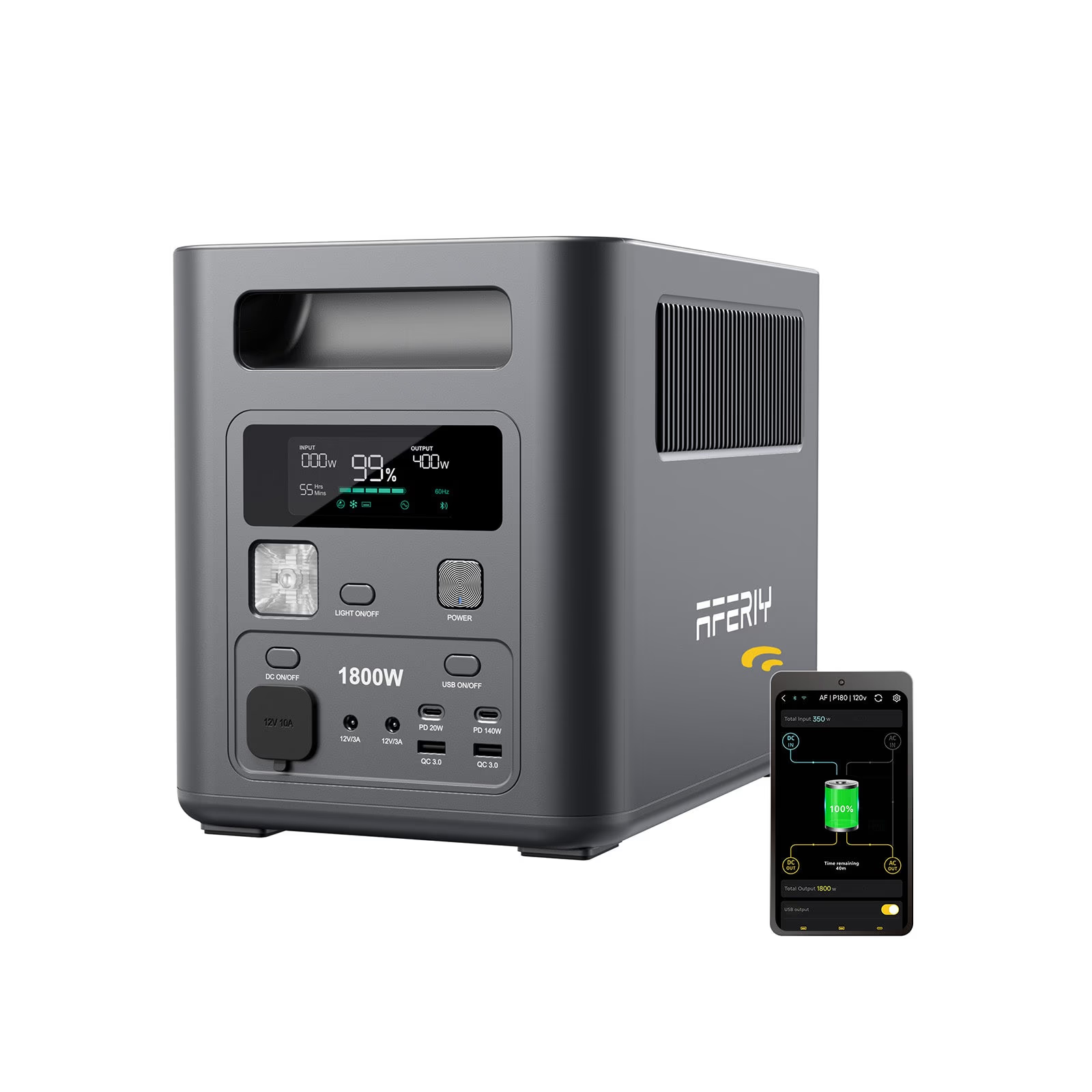
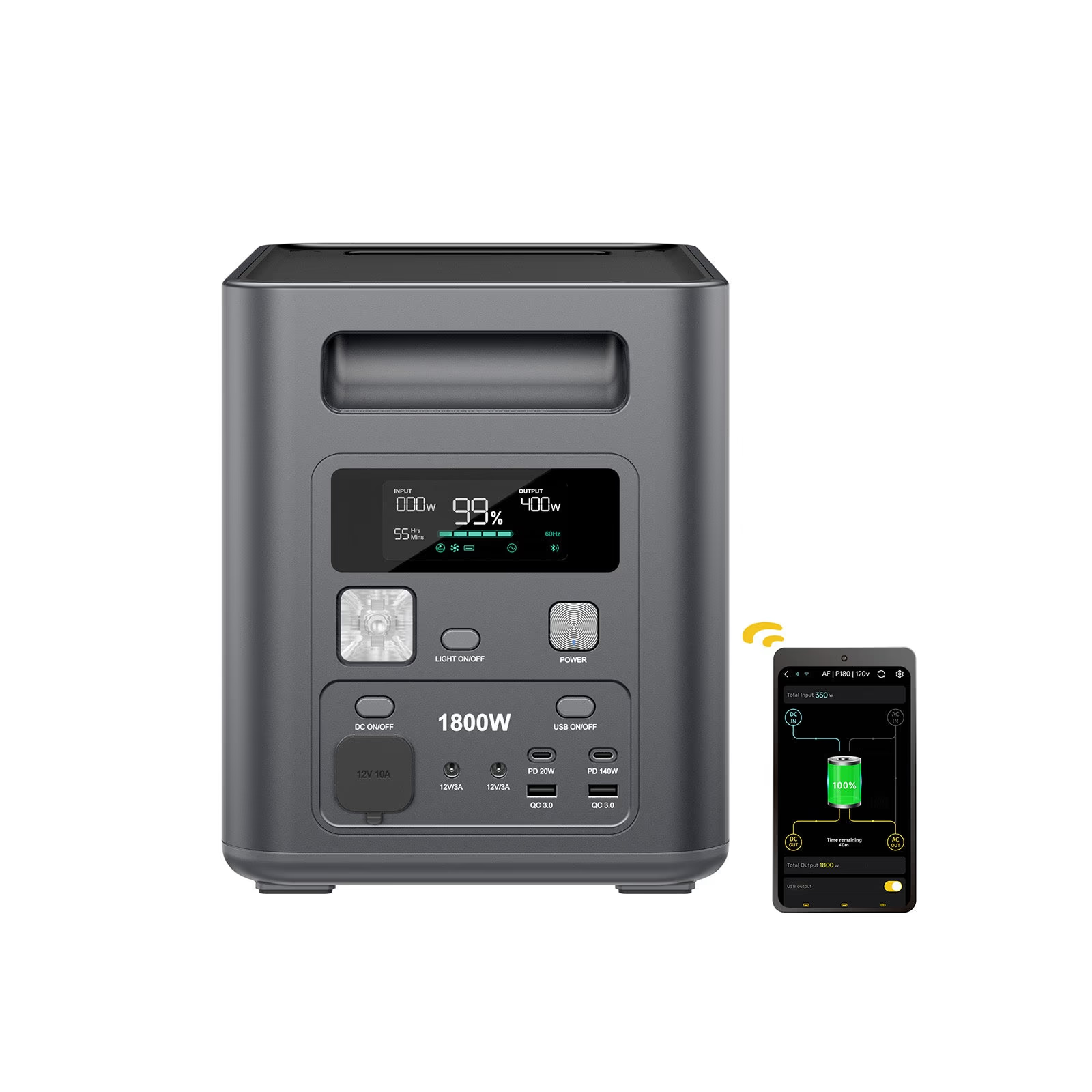
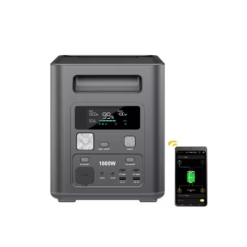
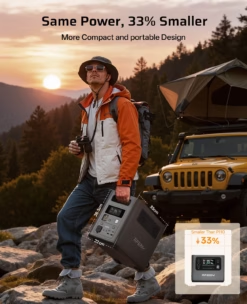
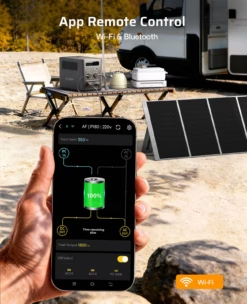
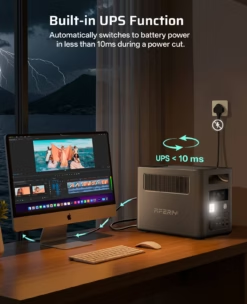
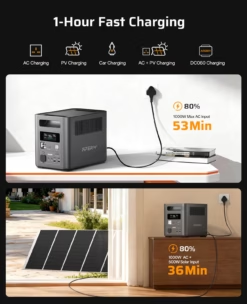
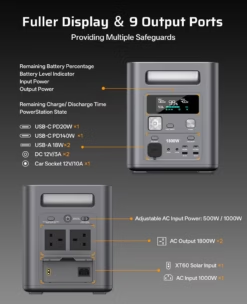
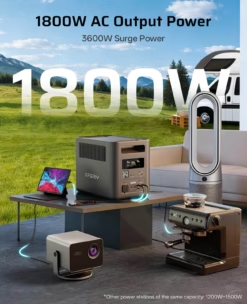
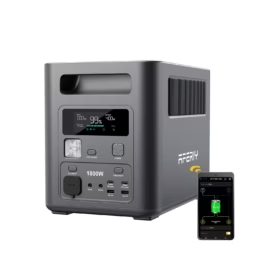
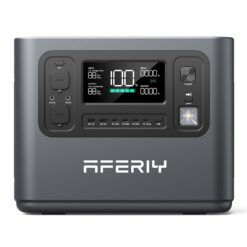
A genuinely portable 1kWh power station for home backup, camping and mobile work, with 1800W pure sine output, fast charging, solar input, app control and UPS.
🚐 Delivery available within 24 to 48 hours
🤝 14-day satisfaction guarantee
📦 Dispatched from France
Practical power for real-life needs
A genuinely portable 1kWh power station for home backup, camping and mobile work, with 1800W pure sine output, fast charging, solar input, app control and UPS.
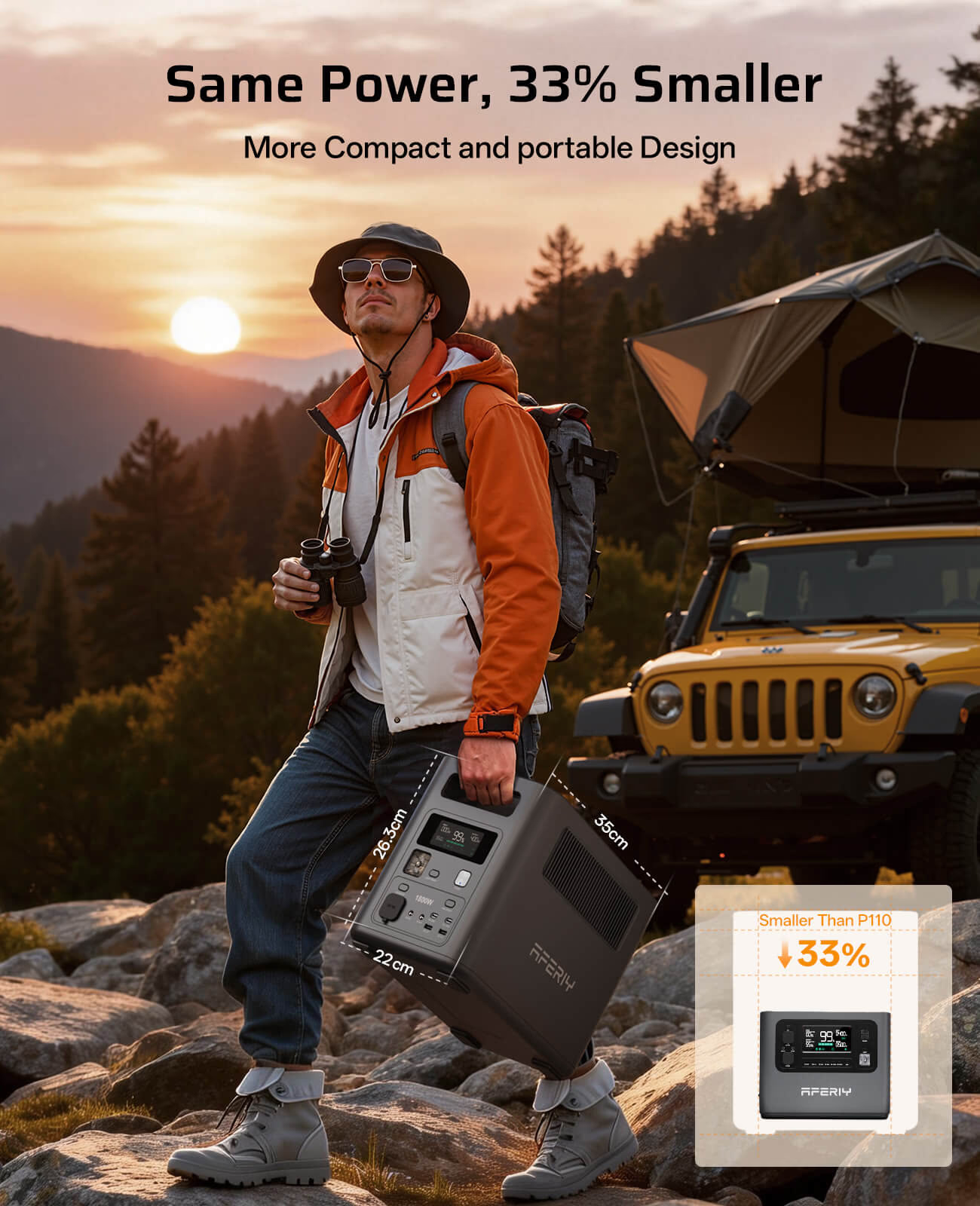
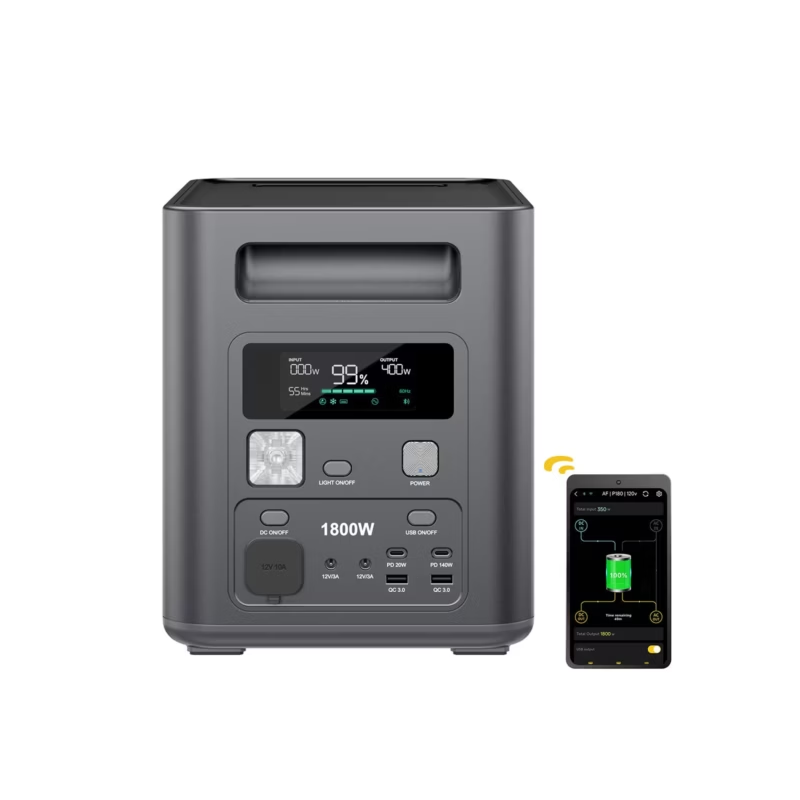
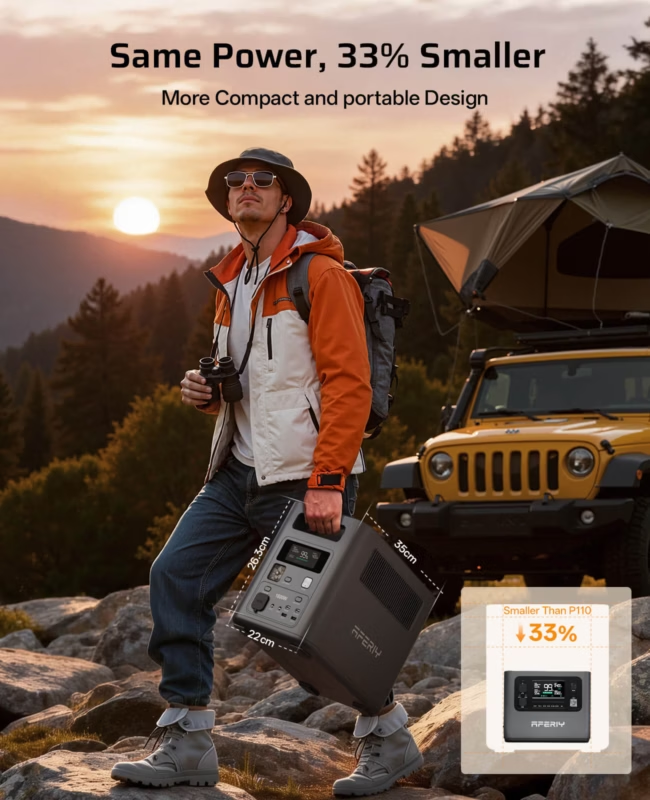
The P180 is a portable 1kWh power station for running genuine household loads, protecting a home office or camping without hauling a 20kg-plus battery.
View offer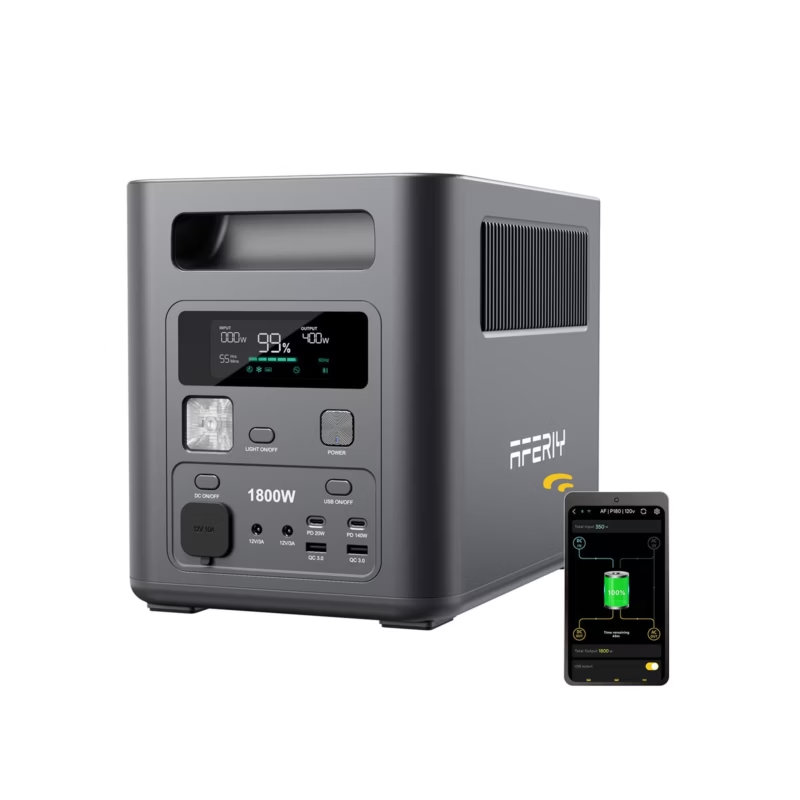
What that means in everyday use
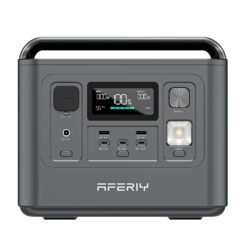
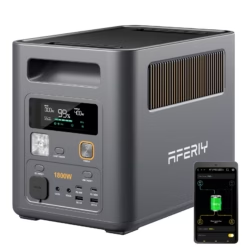
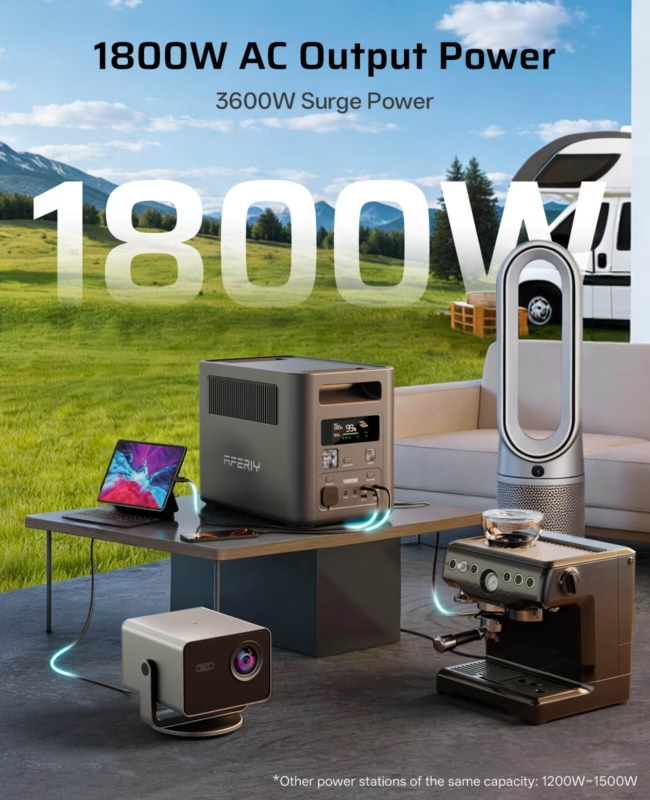
The Nomad1800 P180 is built for buyers who need to run more than phones and laptops but do not want to carry a 20kg battery. Its 1024Wh pack and 1800W inverter cover a useful range of household and travel equipment.
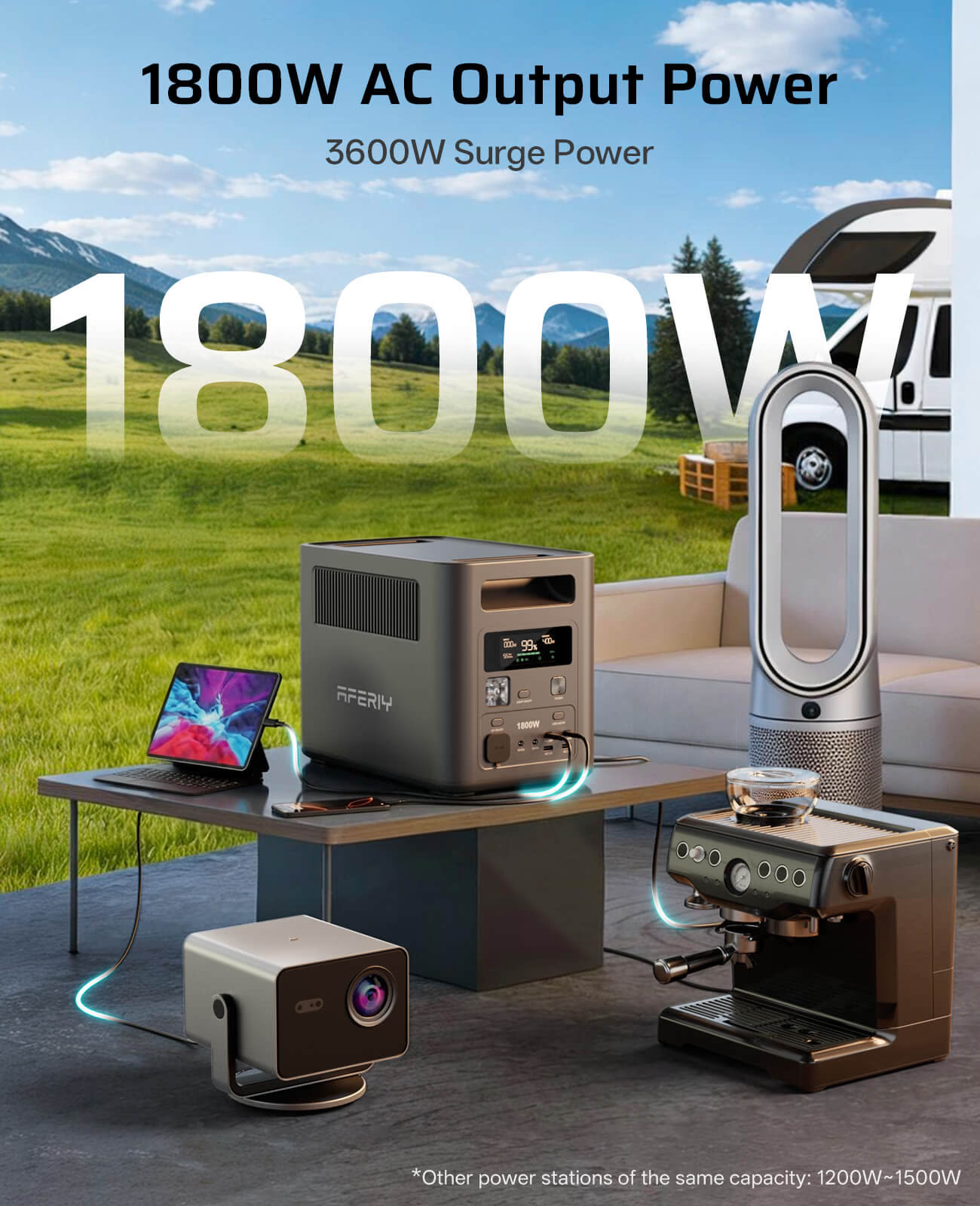
Suitable for fridges, compatible coffee machines, TVs, laptops, routers and many tools within the output limits.
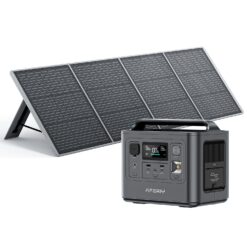
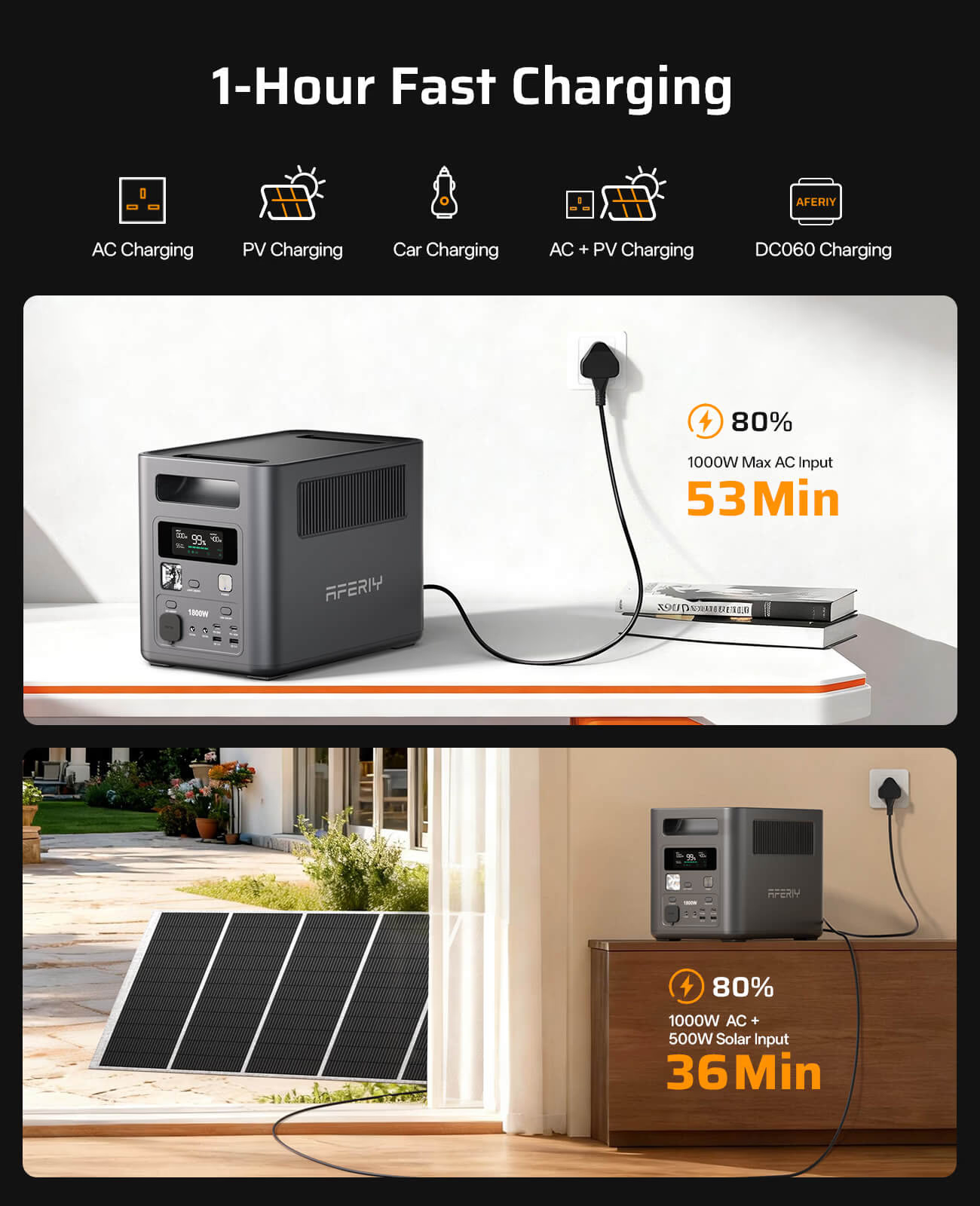
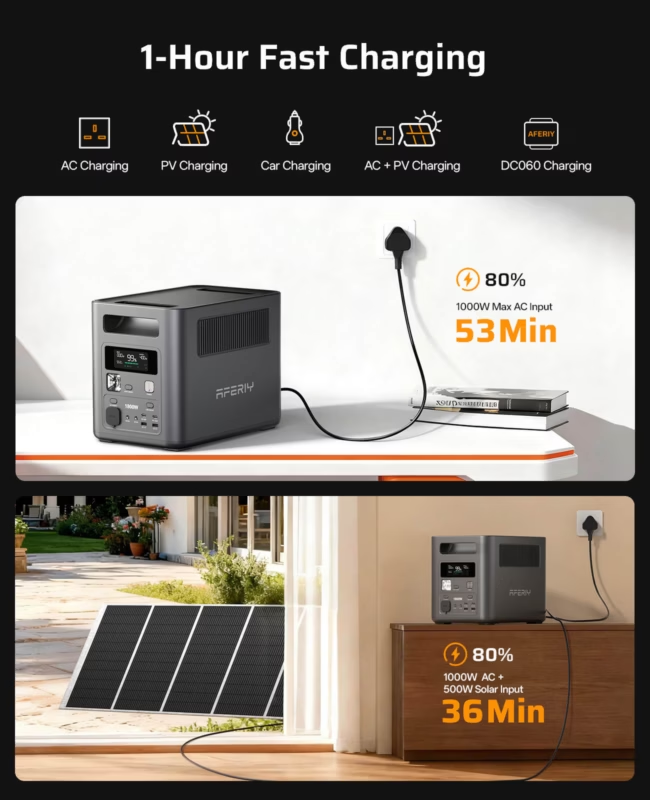
A mains recharge reaches roughly 90% in an hour, with up to 1500W combined AC and solar input.
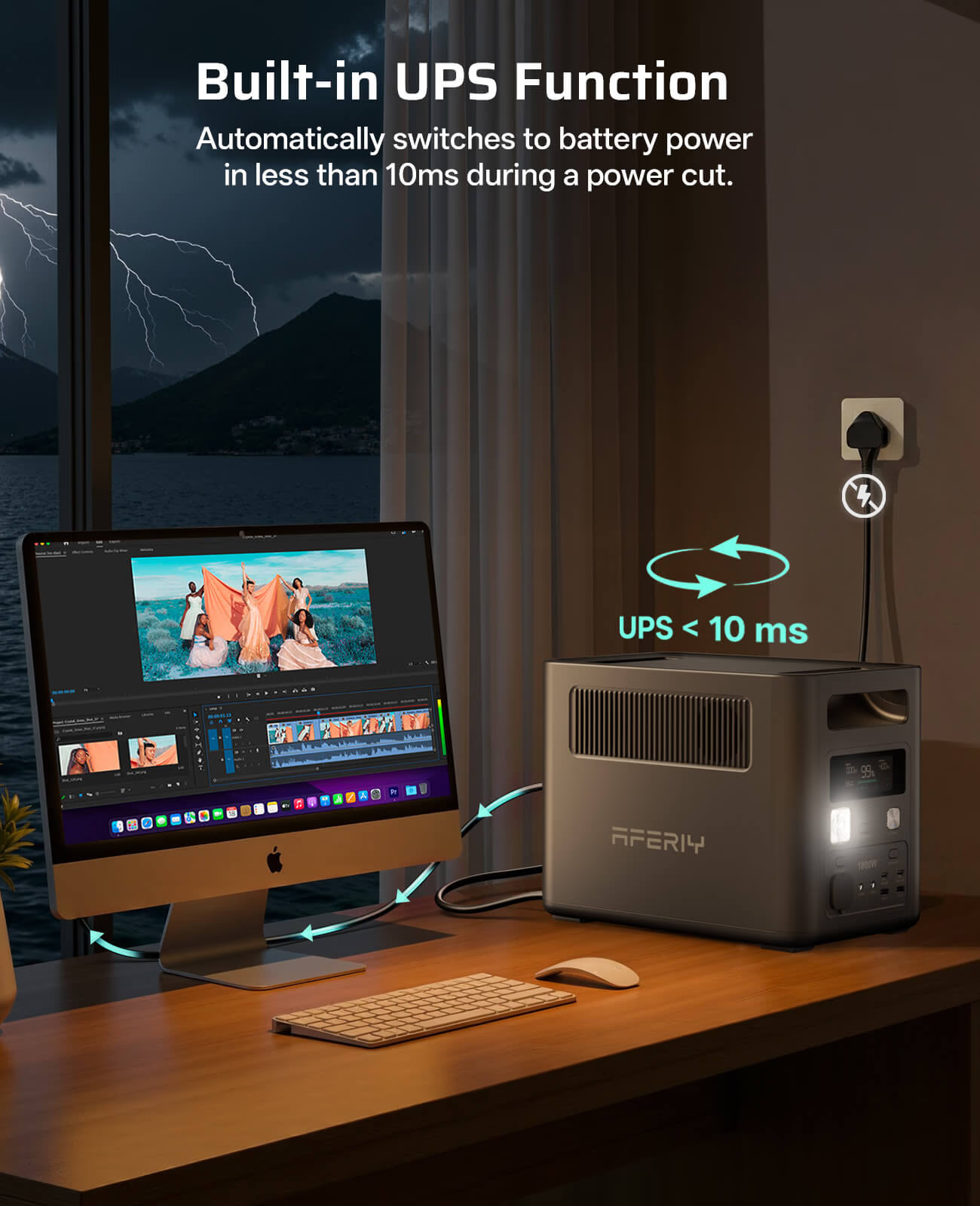
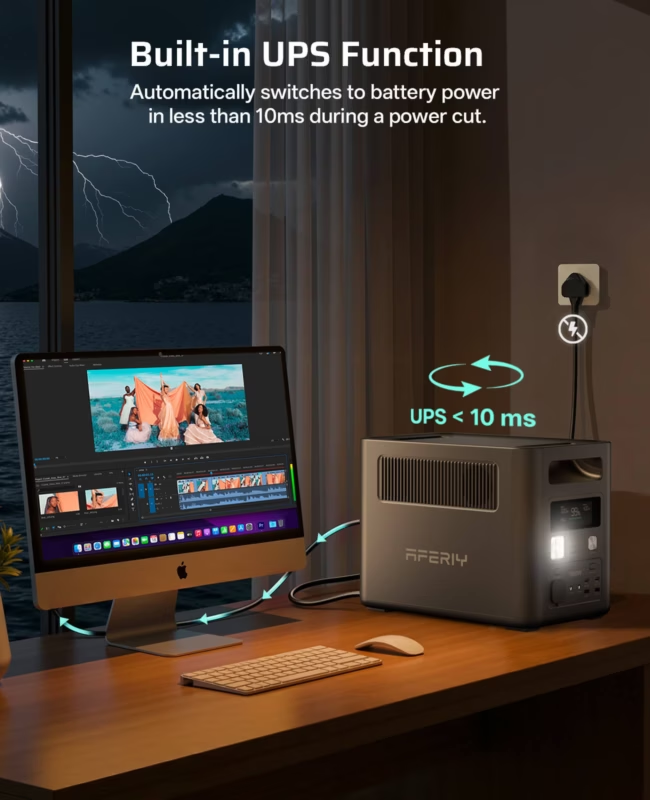
Pure sine wave output and sub-10ms UPS switching suit many computers and networking devices.
LiFePO4 cells are rated for more than 4000 cycles to 80% capacity.
Make an informed choice
Watts determine whether an appliance can start. Watt-hours determine how long it can run. Motors, pumps and compressors may draw far more power at startup than during normal operation.
| Device / use | Suitability | What matters |
|---|---|---|
| Router, lights, phones and laptop | Suitable | Low loads make efficient use of 1024Wh, while USB-C may remove the need for an AC charger. |
| Fridge or compressor cooler | Check first | Check compressor startup surge and duty cycle before estimating runtime. |
| Coffee machine up to 1800W | Check first | Read the rating plate and avoid other high loads at the same time. |
| Power tools | Check first | Suitable when both running power and startup current stay within the limits. |
| Heater or hob above 1800W | Not suitable | It exceeds the inverter limit or drains a 1kWh battery very quickly. |
Approximate figures based on around 85% usable energy. Actual runtime depends on the appliance, efficiency and duty cycle.
| Model | Best suited to | Key difference |
|---|---|---|
| P040 | Light day trips and devices below 400W | Far lighter, but not designed for demanding appliances. |
| P180 | Camping, mobile work and short outages | The balanced choice for 1800W, 1kWh and portability. |
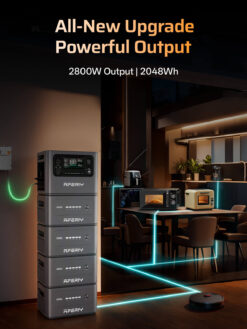
| P180 Pro | A backup system that can grow later | Similar base performance with support for four expansion batteries. |
Add up their wattage and estimate how many hours each one will run per day.
Watts x hours gives the energy required. Allow roughly 15% conversion loss for AC appliances.
An extra 20 to 30% covers startup surges, cold weather and weaker-than-expected solar generation.
Our honest assessment
Use it in a dry, well-ventilated area and keep all vents clear. For longer storage, leave it at a mid-level charge, check it periodically and follow the manufacturer’s temperature guidance.
Keep broadband, lighting, communications and selected cold storage running.
Charge a cool box, laptop, cameras, drone batteries and smaller appliances from one hub.
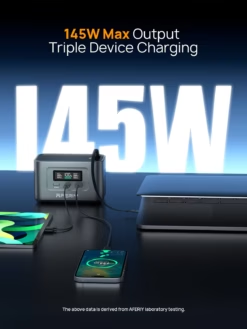
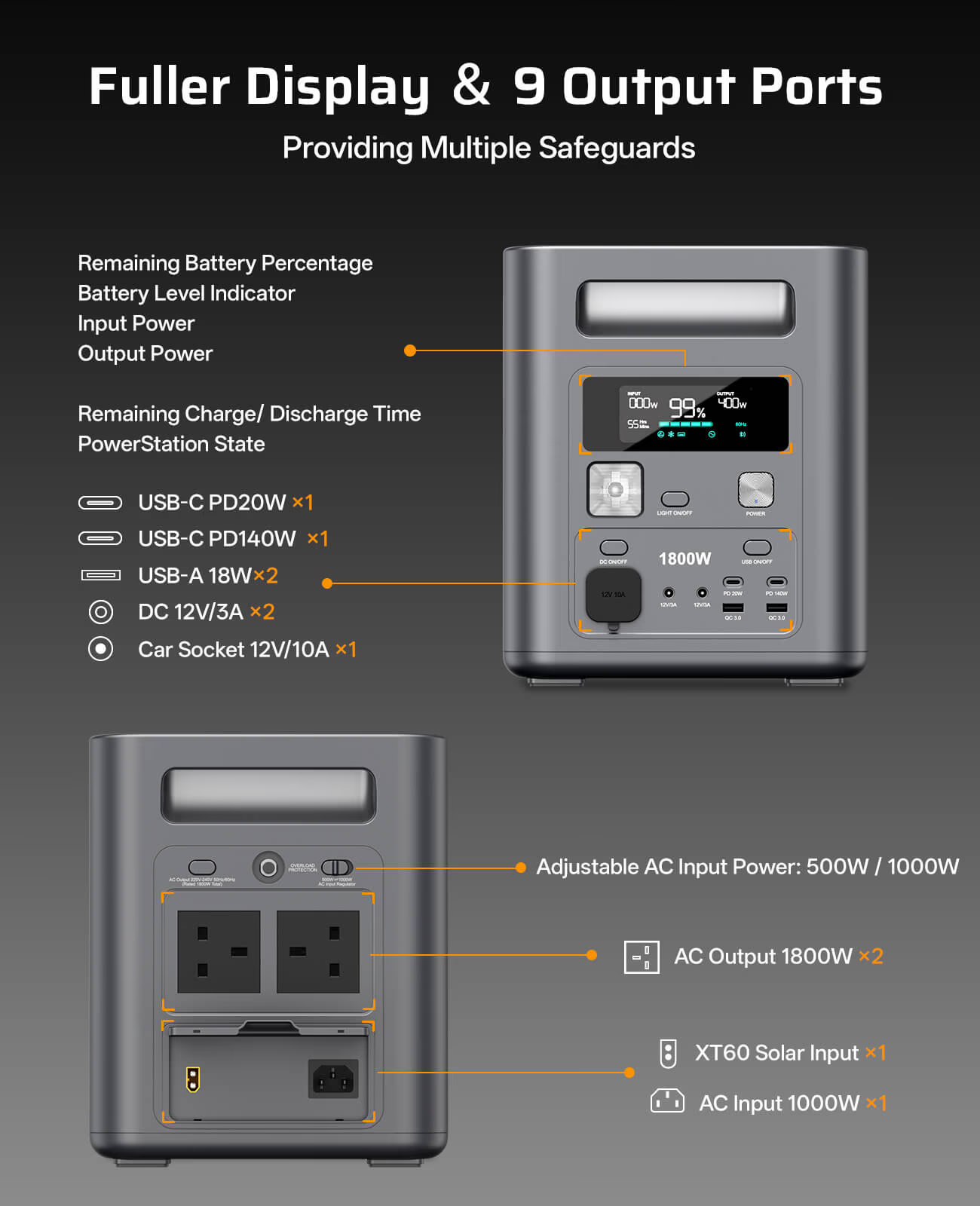
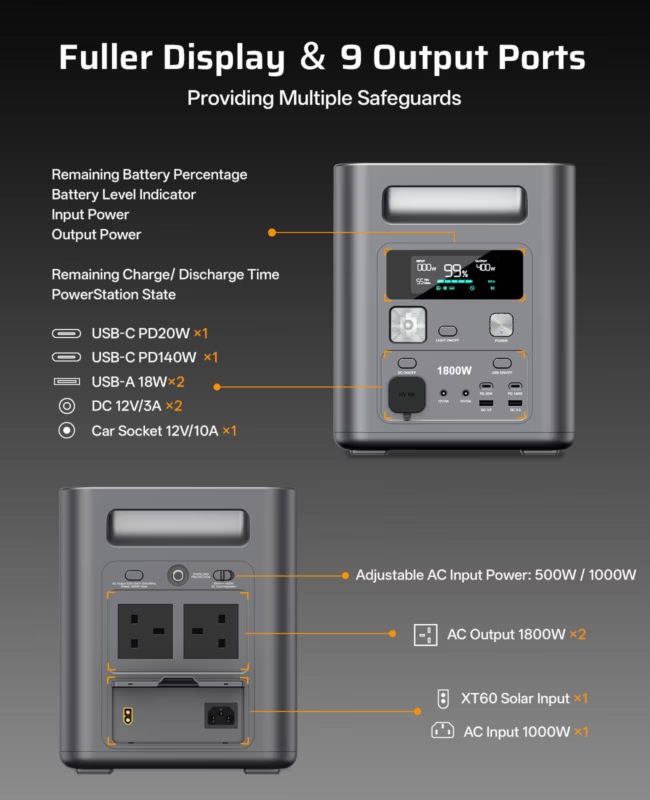
The 140W USB-C port can power demanding laptops without their mains charger.
you want around 1kWh of usable reserve, up to 1800W output and a unit that one person can still carry.
you need sustained electric heating, several days off-grid or the option to add expansion batteries later.
Check compressor and motor start-up surges, not just the rated watts. The standard P180 does not accept P180-B expansion batteries; that feature belongs to the Pro version.
| Capacity | 1024Wh |
|---|---|
| AC output | 1800W continuous, 3600W peak, pure sine |
| Battery | LiFePO4, 4000+ cycles to 80% |
| Charging | 1000W AC, 500W solar, 1500W combined |
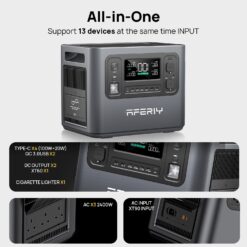
| Connections | 9 outputs including 2 AC sockets and 140W USB-C |
| UPS | Under 10ms switching |
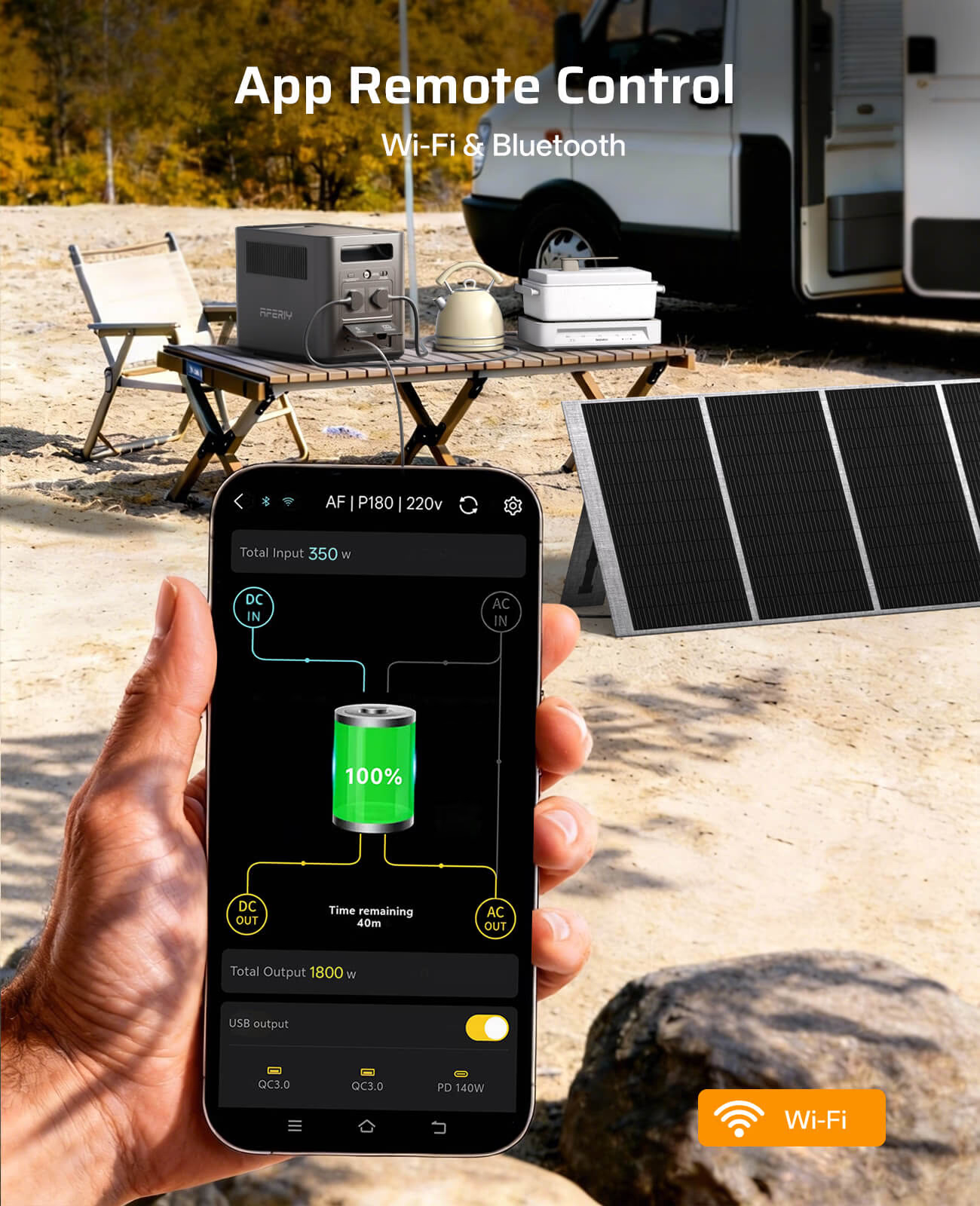
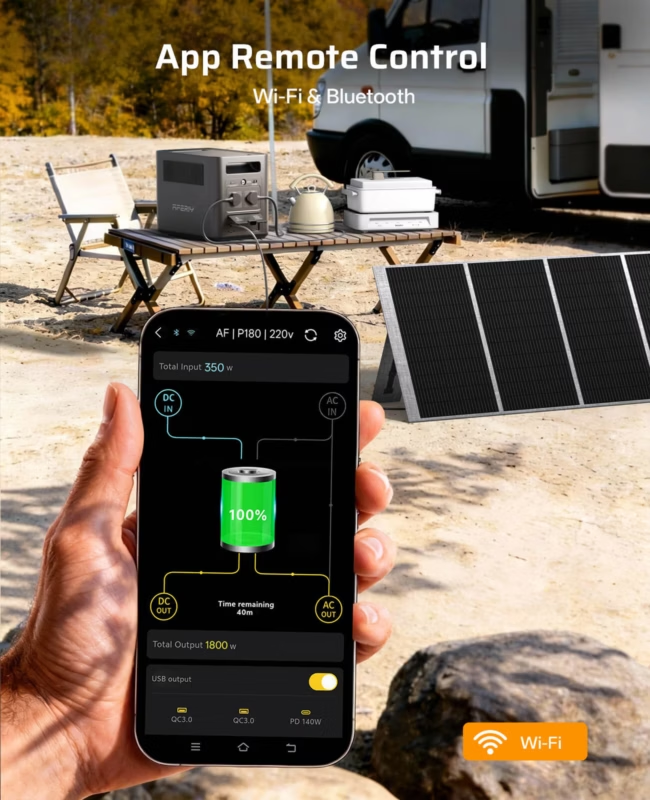
| Control | Display and AFERIY app |
| Size / weight | 350 x 220 x 263mm / 11.64kg |
| Warranty | 7 years under manufacturer terms |
Yes, provided both running and start-up power stay within limits. Runtime varies with the compressor cycle.
Only kettles rated at 1800W or less. Many UK kettles draw 2000-3000W and are unsuitable.
No. Choose the P180 Pro for P180-B compatibility.
Yes, pass-through operation is supported.
A compatible XT60 panel within the 11.5-55V range and 500W input limit.
Check the linked offer for current pricing and availability.
View offer
Portable Power Stations
AFERIY Nano100 99.2Wh power bank with retractable 100W USB-C cable
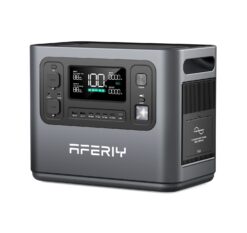
Portable Power Stations
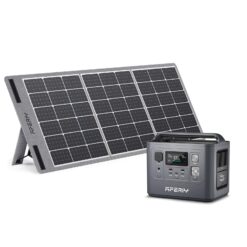
Portable Power Stations
AFERIY P010 Solar Generator Kit – 800W Station and 200W Panel
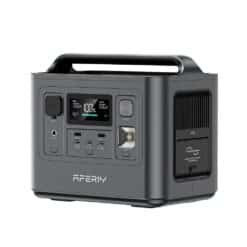
Portable Power Stations
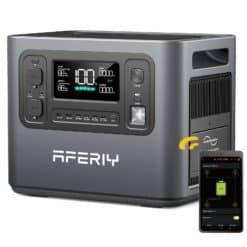
Portable Power Stations
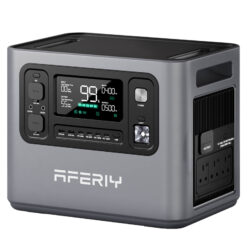
Portable Power Stations
AFERIY P280 Expandable Portable Power Station – 2800W, 2048Wh
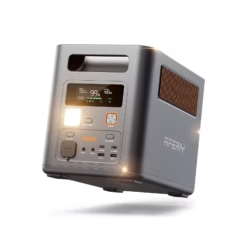
Portable Power Stations
AFERIY Nomad1800 Pro – 1800W power station expandable to 5120Wh
Portable Power Stations