1. List your devices
Add up their wattage and estimate how many hours each one will run per day.

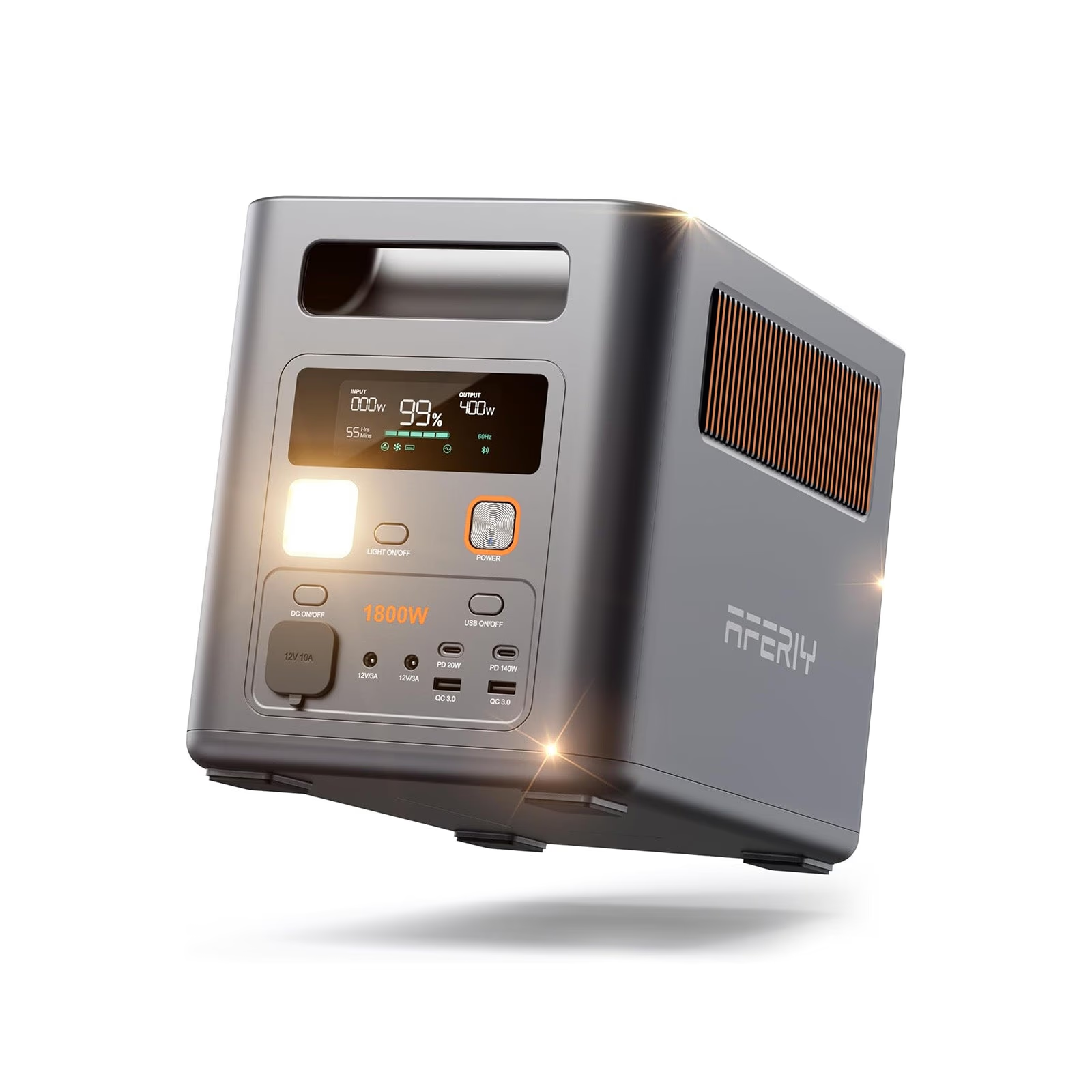
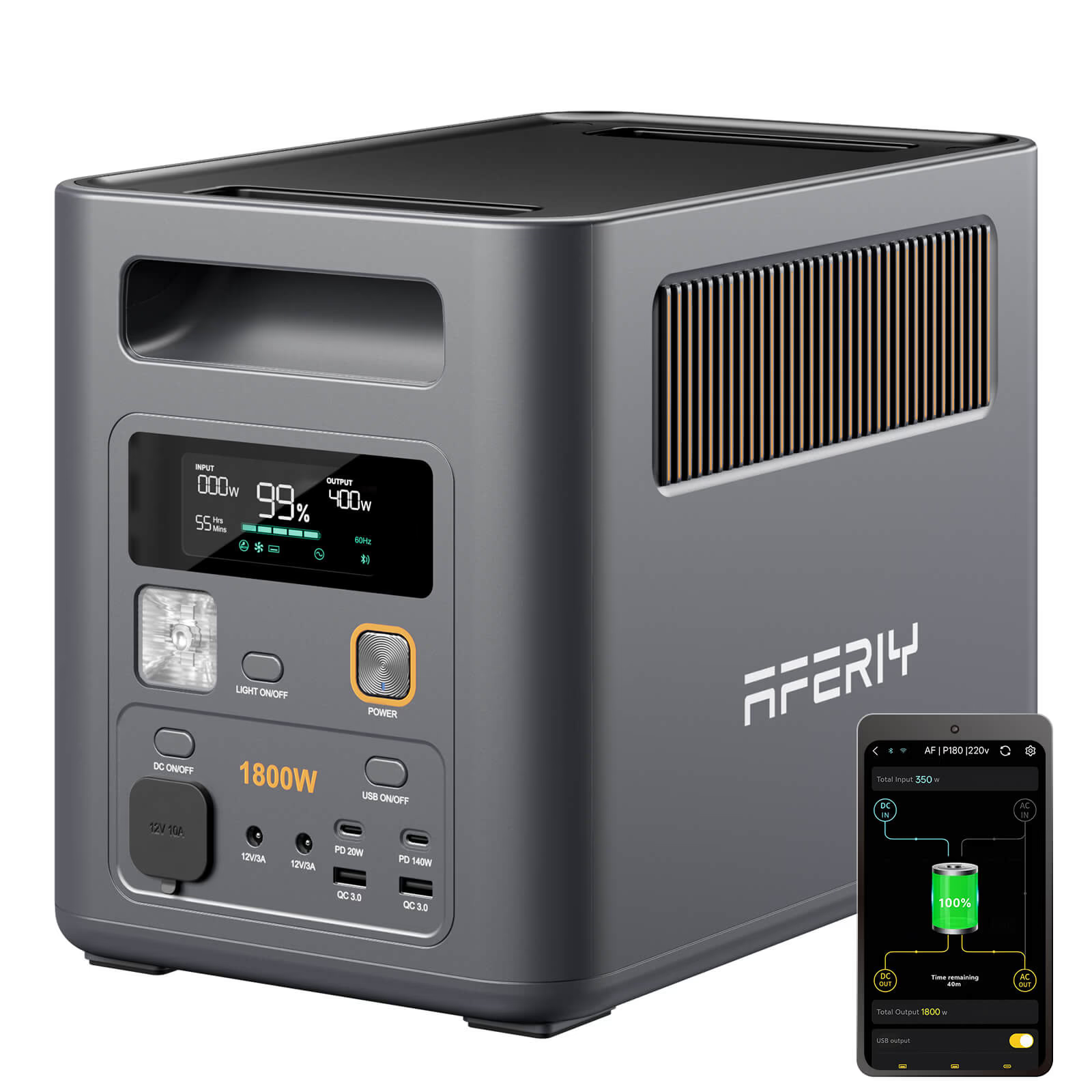
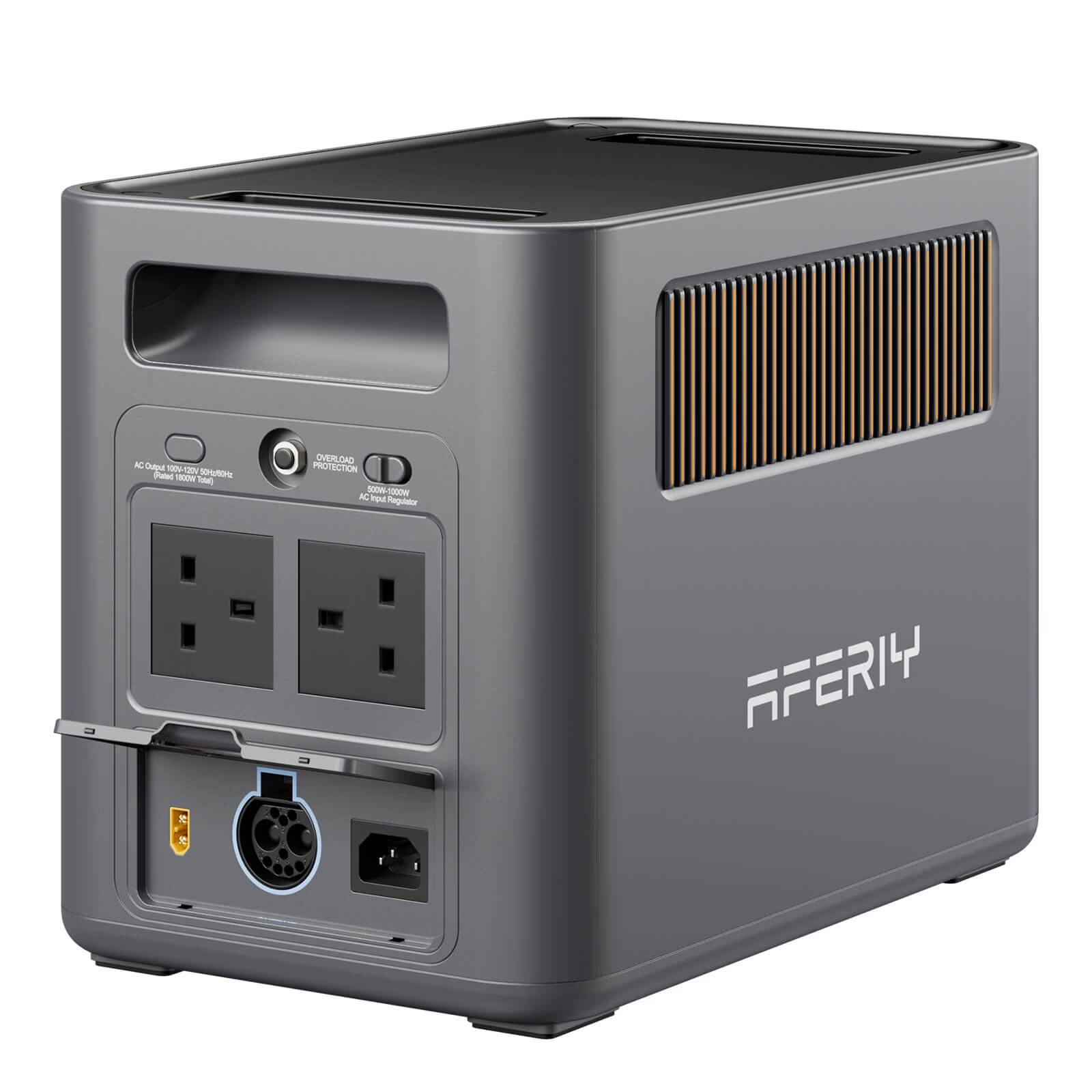
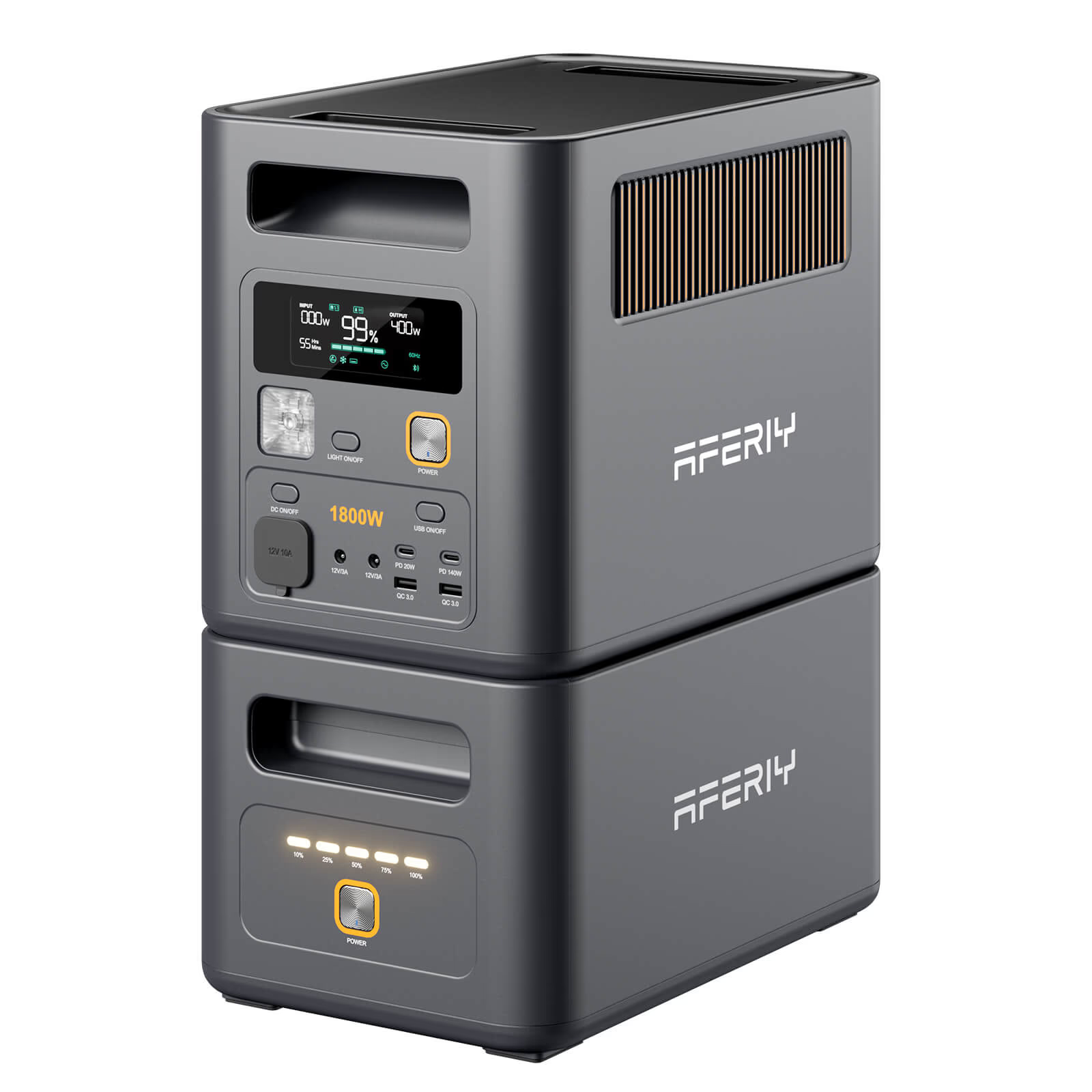
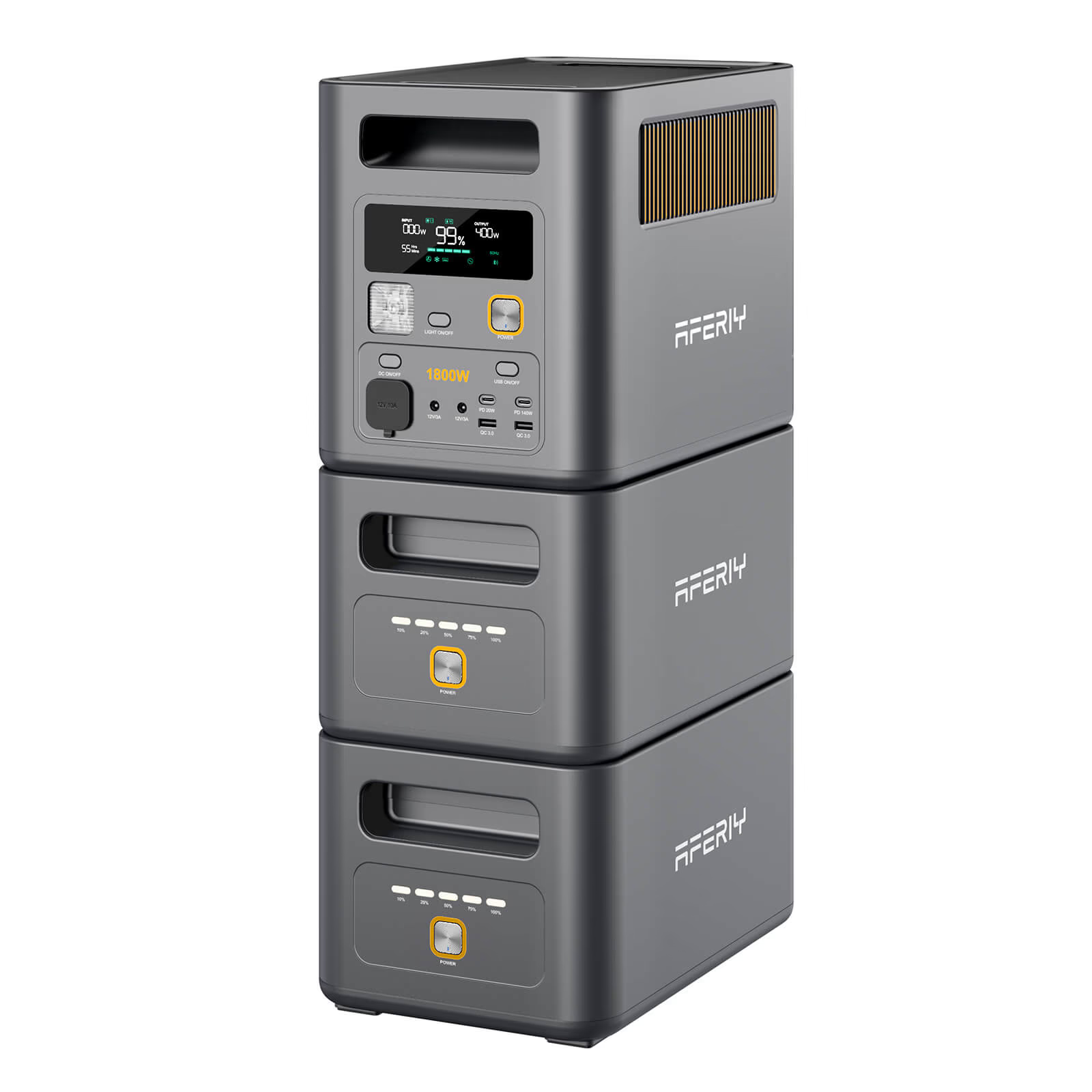
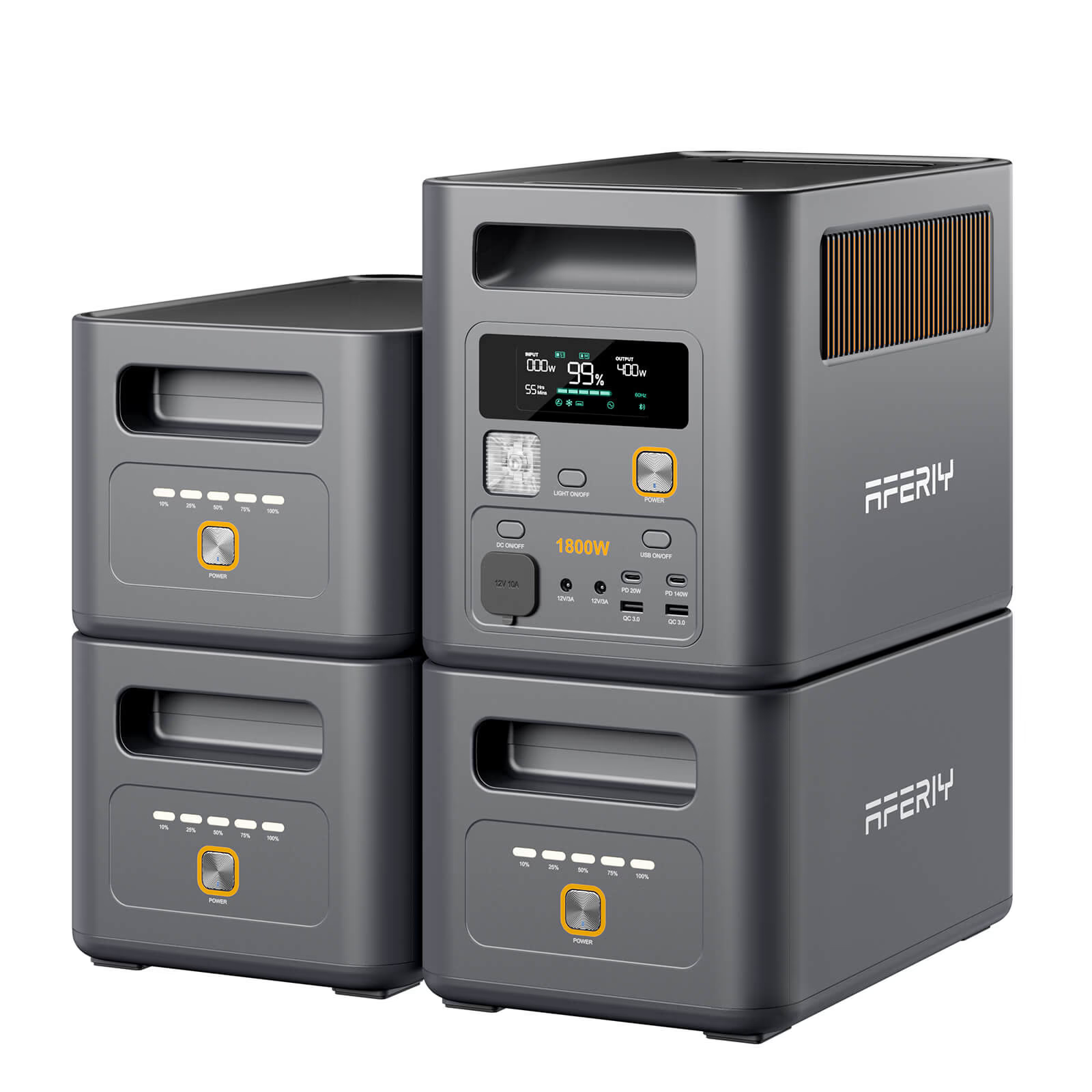
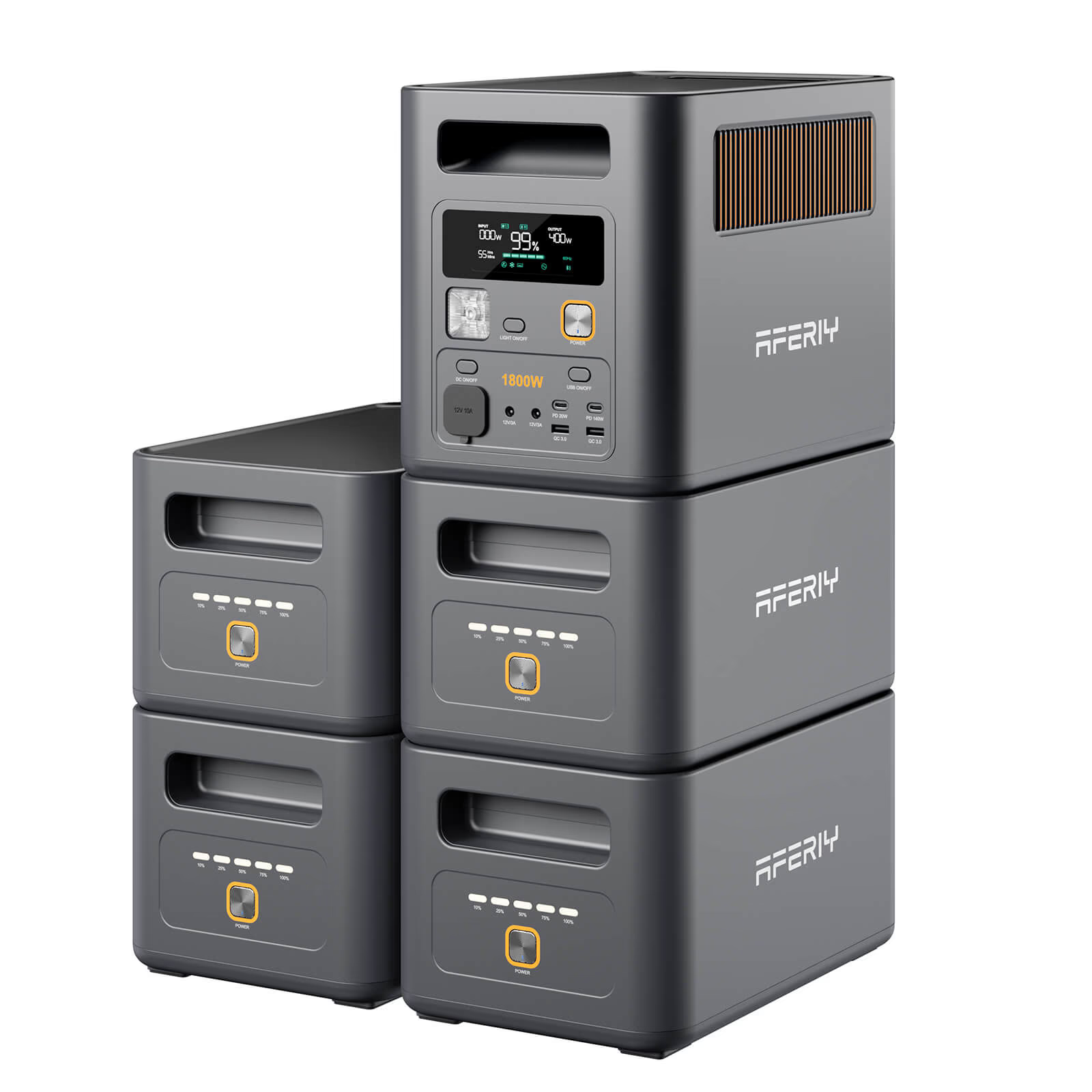
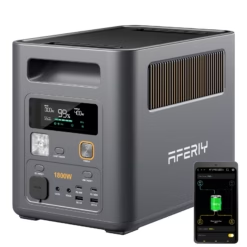
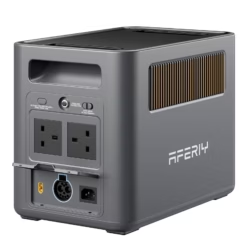
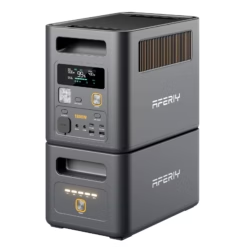
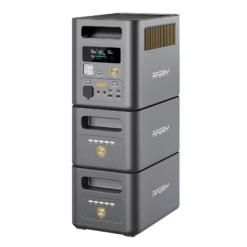
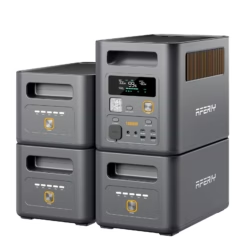
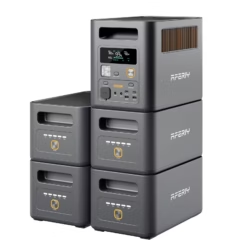
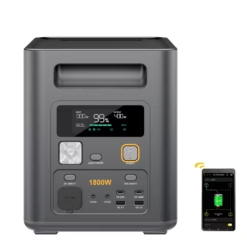
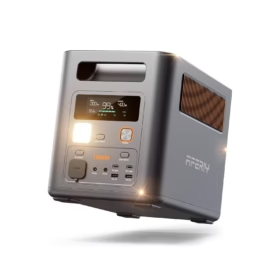
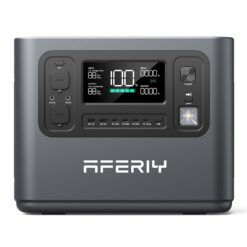
A modular 1024Wh power station that grows to 5120Wh with four P180-B batteries, while keeping the base unit light enough for travel and everyday backup.
🚐 Delivery available within 24 to 48 hours
🤝 14-day satisfaction guarantee
📦 Dispatched from France
Practical power for real-life needs
A modular 1024Wh power station that grows to 5120Wh with four P180-B batteries, while keeping the base unit light enough for travel and everyday backup.
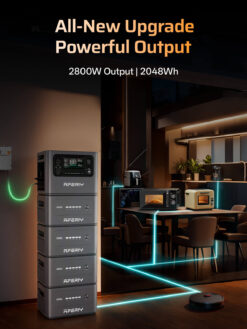
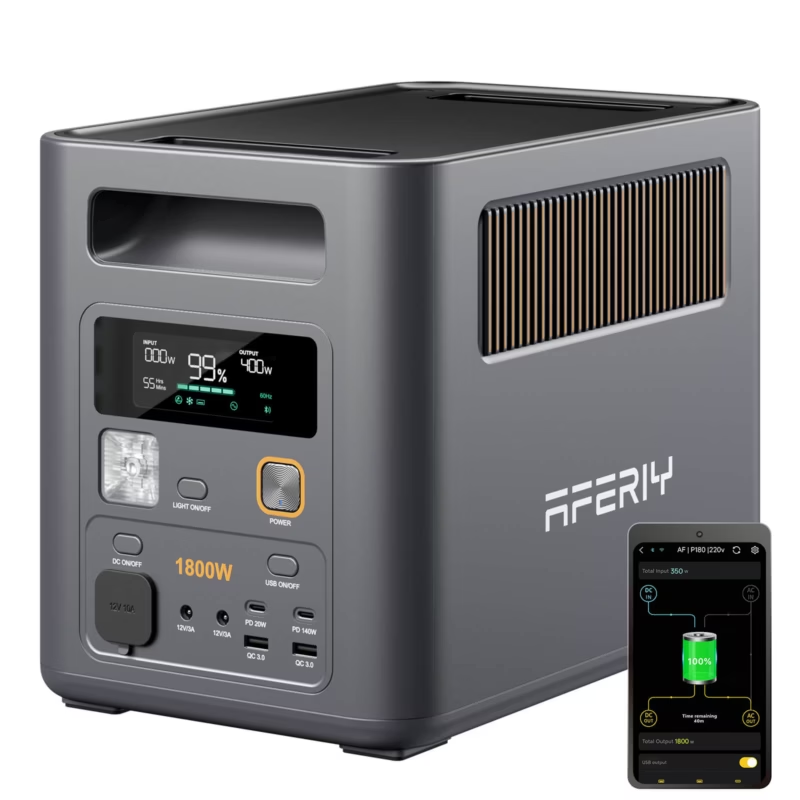
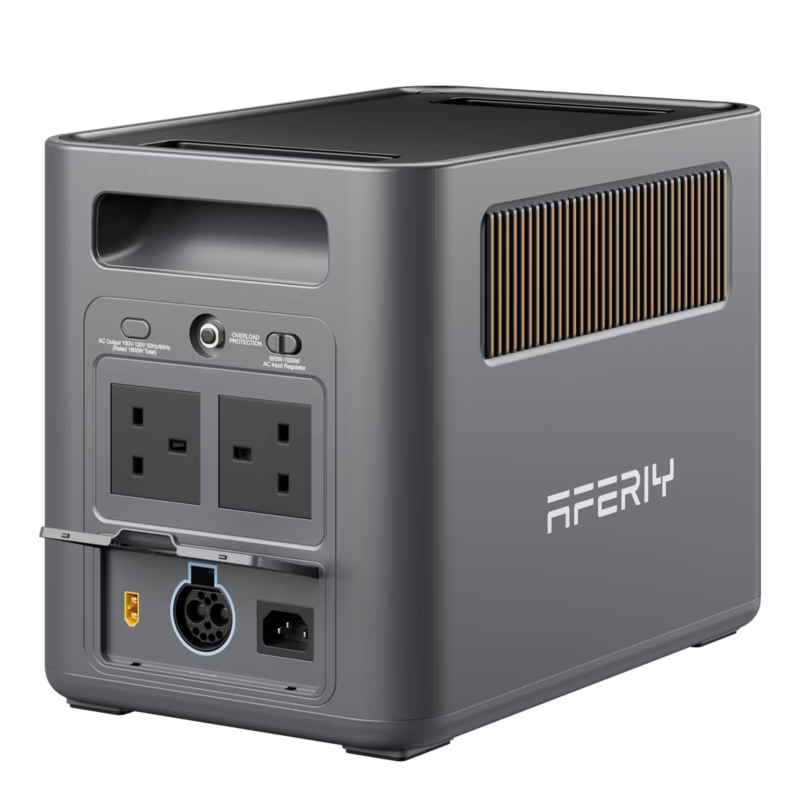
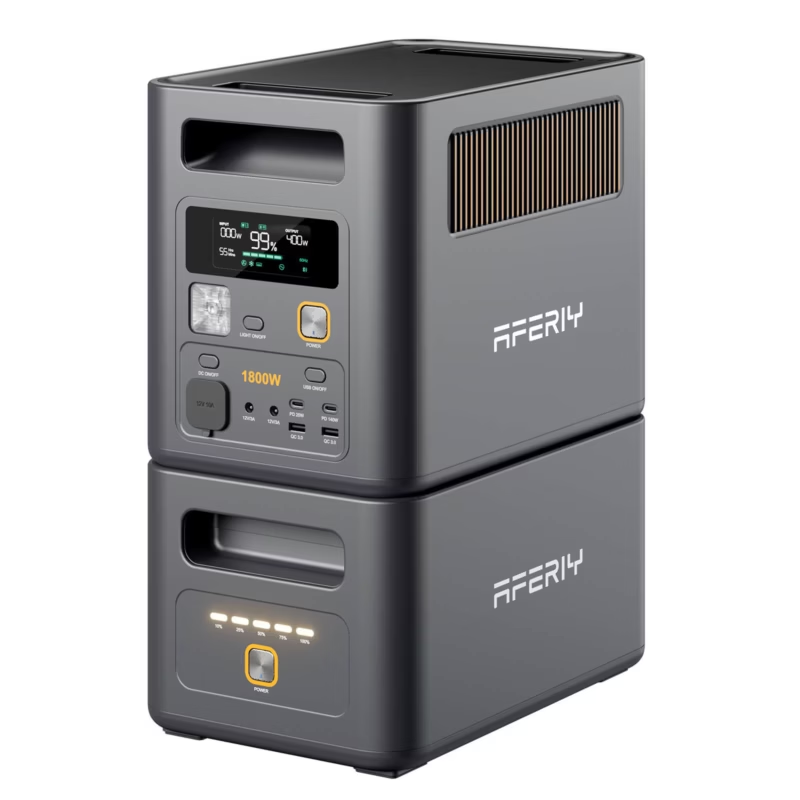
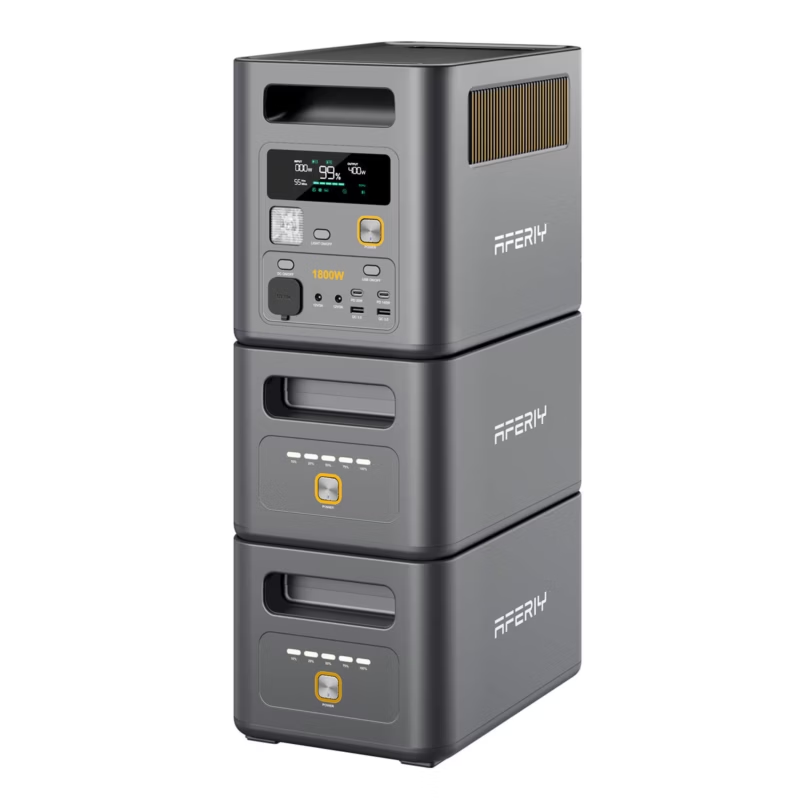
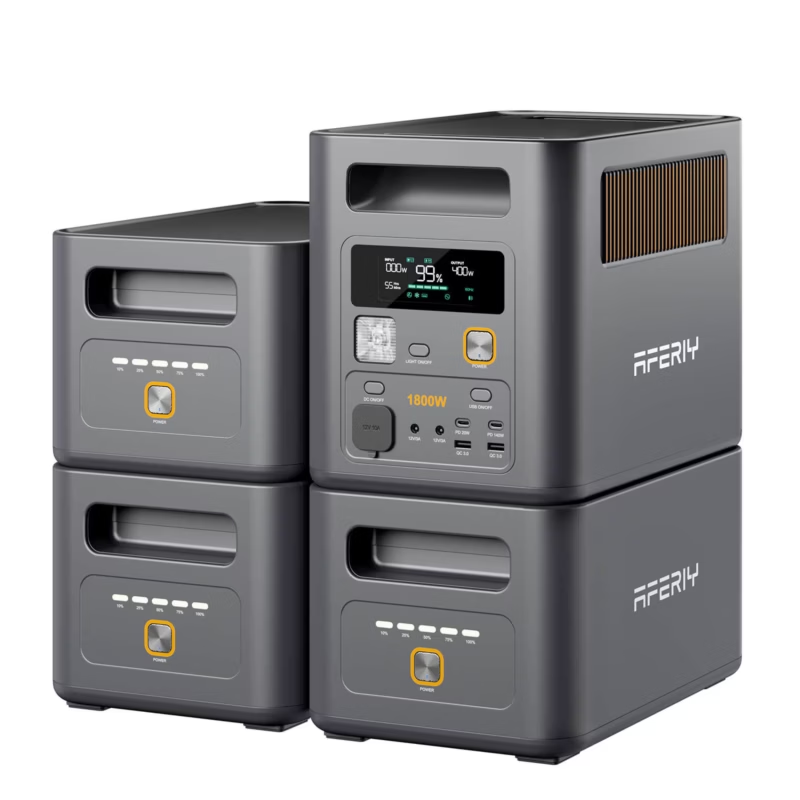
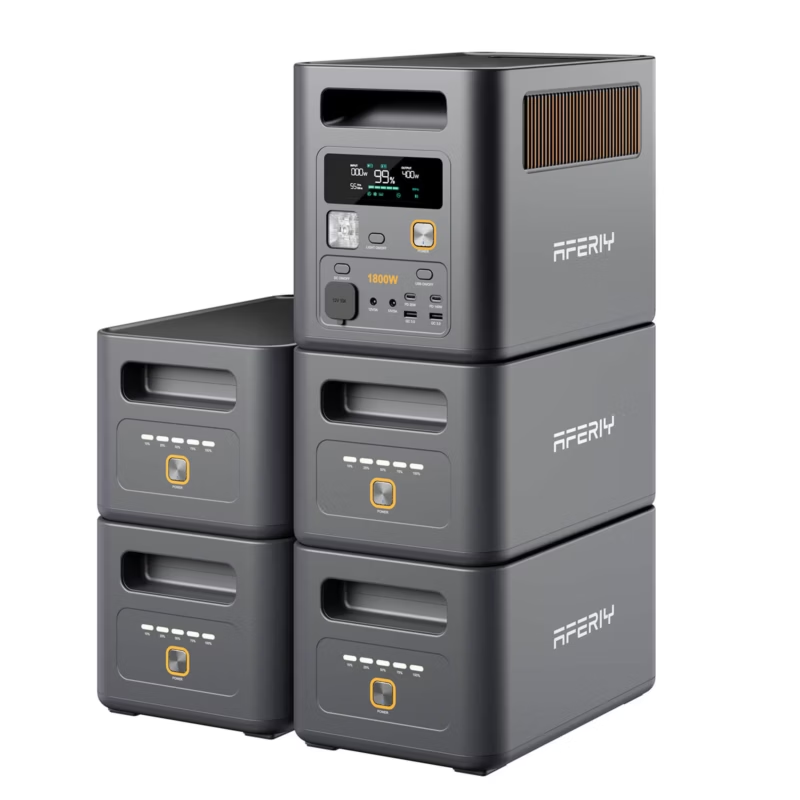
The P180 Pro lets you start with 1024Wh and expand to 5120Wh later without replacing the main power station.
View offer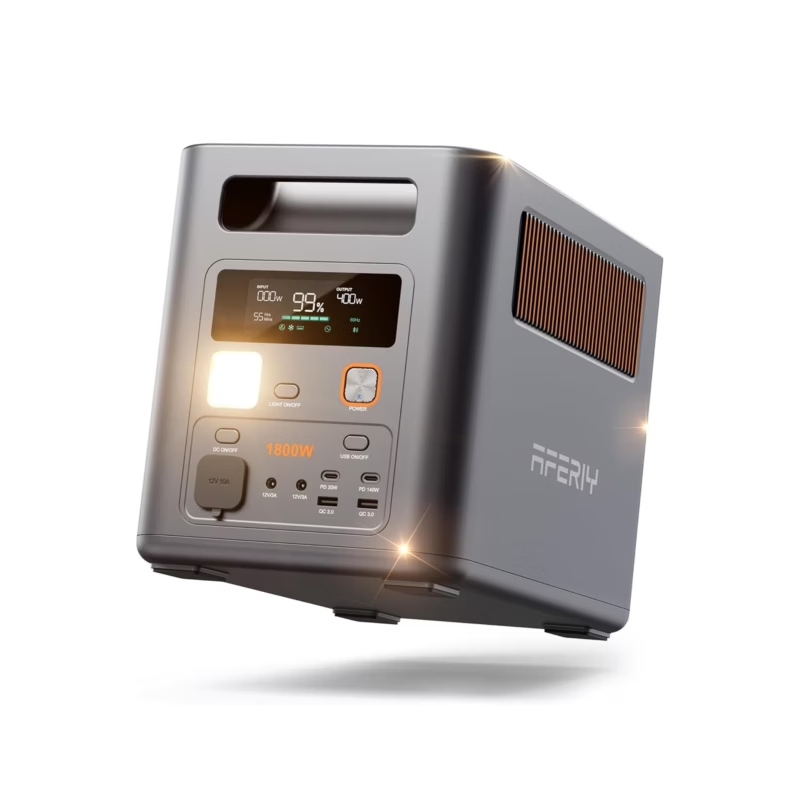
What that means in everyday use
The P180 Pro removes the need to choose between portability now and capacity later. Start with 1kWh, then add batteries when longer outages, extended touring or solar storage justify them.
Each P180-B adds 1024Wh, with up to four supported.
The base station weighs 11.64kg, so you only carry the extra modules when needed.
Combined mains and solar input reaches up to 1500W, with 80% claimed in around 36 minutes.
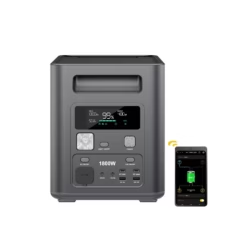
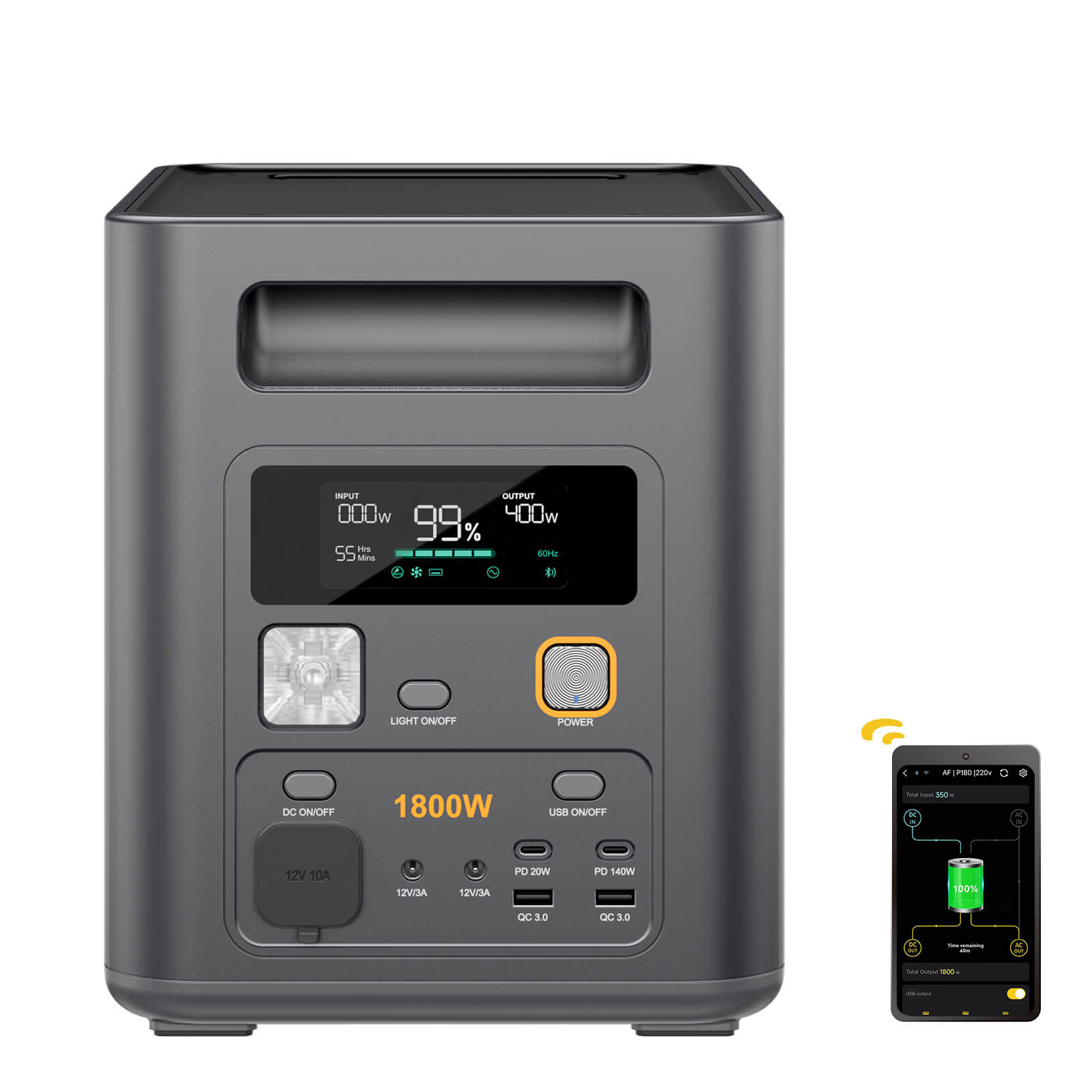
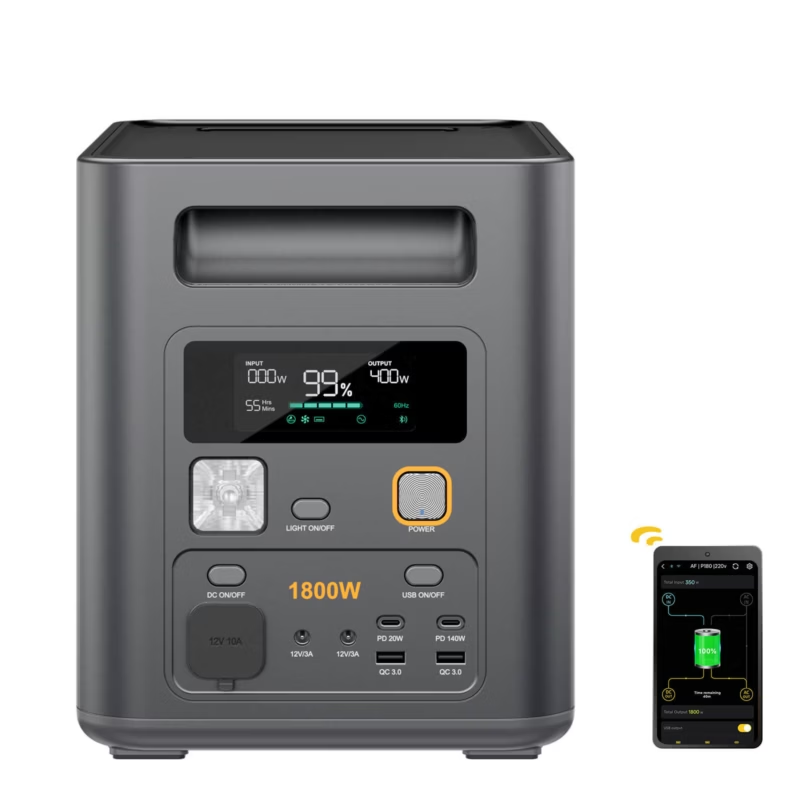
Monitor power flow, battery state and outputs from your phone.
Make an informed choice
Watts determine whether an appliance can start. Watt-hours determine how long it can run. Motors, pumps and compressors may draw far more power at startup than during normal operation.
| Device / use | Suitability | What matters |
|---|---|---|
| Router, NAS, computer and displays | Suitable | Pure sine output and sub-10ms UPS switching suit many network and office devices. |
| Fridge and freezer | Check first | Check compressor surge; extra batteries add time, not inverter power. |
| Coffee maker or microwave up to 1800W | Check first | Confirm the real input and avoid combining other heavy loads. |
| Multi-day essential backup | Suitable | Capacity can grow in stages from 1.024 to 5.12kWh. |
| Hob or heater above 1800W | Not suitable | A larger battery does not replace a more powerful inverter. |
Approximate figures based on around 85% usable energy. Actual runtime depends on the appliance, efficiency and duty cycle.
| Model | Best suited to | Key difference |
|---|---|---|
| P180 | A fixed 1kWh requirement | Less expensive and equally portable, but not expandable. |
| P180 Pro | A modular 1.024 to 5.12kWh reserve | The flexible option when future demand is uncertain. |
| P280 + P280-B | High-draw appliances and up to 10.24kWh | More power and capacity, with substantially more weight. |
Add up their wattage and estimate how many hours each one will run per day.
Watts x hours gives the energy required. Allow roughly 15% conversion loss for AC appliances.
An extra 20 to 30% covers startup surges, cold weather and weaker-than-expected solar generation.
Our honest assessment
Use it in a dry, well-ventilated area and keep all vents clear. For longer storage, leave it at a mid-level charge, check it periodically and follow the manufacturer’s temperature guidance.
Protect broadband and lighting first, then add enough storage for refrigeration and longer outages.
Take the capacity that matches the journey rather than moving the full system every time.
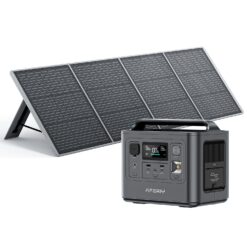
Capture more daytime generation for use after sunset.
you want a manageable 1800W station today and a clear route to much longer runtime later.
you need more than 1800W continuous output. Expansion batteries add energy, not extra inverter power.
Only the Pro model accepts P180-B batteries, which cannot operate independently. Allow suitable space and ventilation for a multi-battery installation.
| Capacity | 1024Wh, expandable to 5120Wh |
|---|---|
| Expansion | Up to 4 x 1024Wh P180-B batteries |
| AC output | 1800W pure sine, 3600W peak |
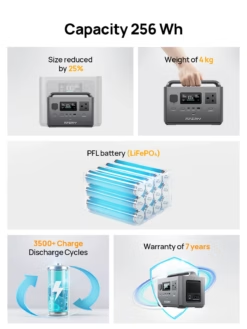
| Battery | LiFePO4, 4000+ cycles |
| Charging | 1000W AC, 500W solar, 1500W combined |
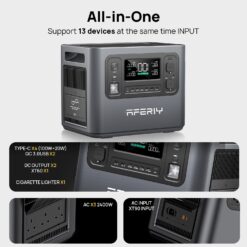
| Connections | 9 outputs including 140W USB-C |
| UPS | Under 10ms switching |
| Base weight | 11.64kg |
| Warranty | 7 years under manufacturer terms |
The Pro accepts up to four P180-B expansion batteries.
Four, for 5120Wh total system capacity.
No, it requires the P180 Pro.
No, it only extends runtime.
Sub-10ms switching works with many PCs and routers, but critical equipment should be tested with its actual power supply.
Check the linked offer for current pricing and availability.
View offer
Portable Power Stations
AFERIY Nomad1800 P180 portable power station – 1800W, 1024Wh
Portable Power Stations
AFERIY P010 Solar Generator Kit – 800W Station and 200W Panel
Portable Power Stations
Portable Power Stations
Portable Power Stations
Portable Power Stations
Portable Power Stations
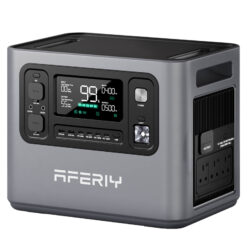
AFERIY P280 Expandable Portable Power Station – 2800W, 2048Wh
Portable Power Stations
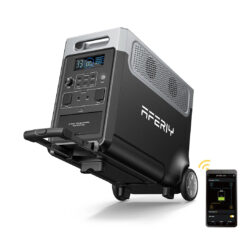
AFERIY P310 Expandable Portable Power Station – 3600W, 3840Wh